
Last updated October 30, 2026
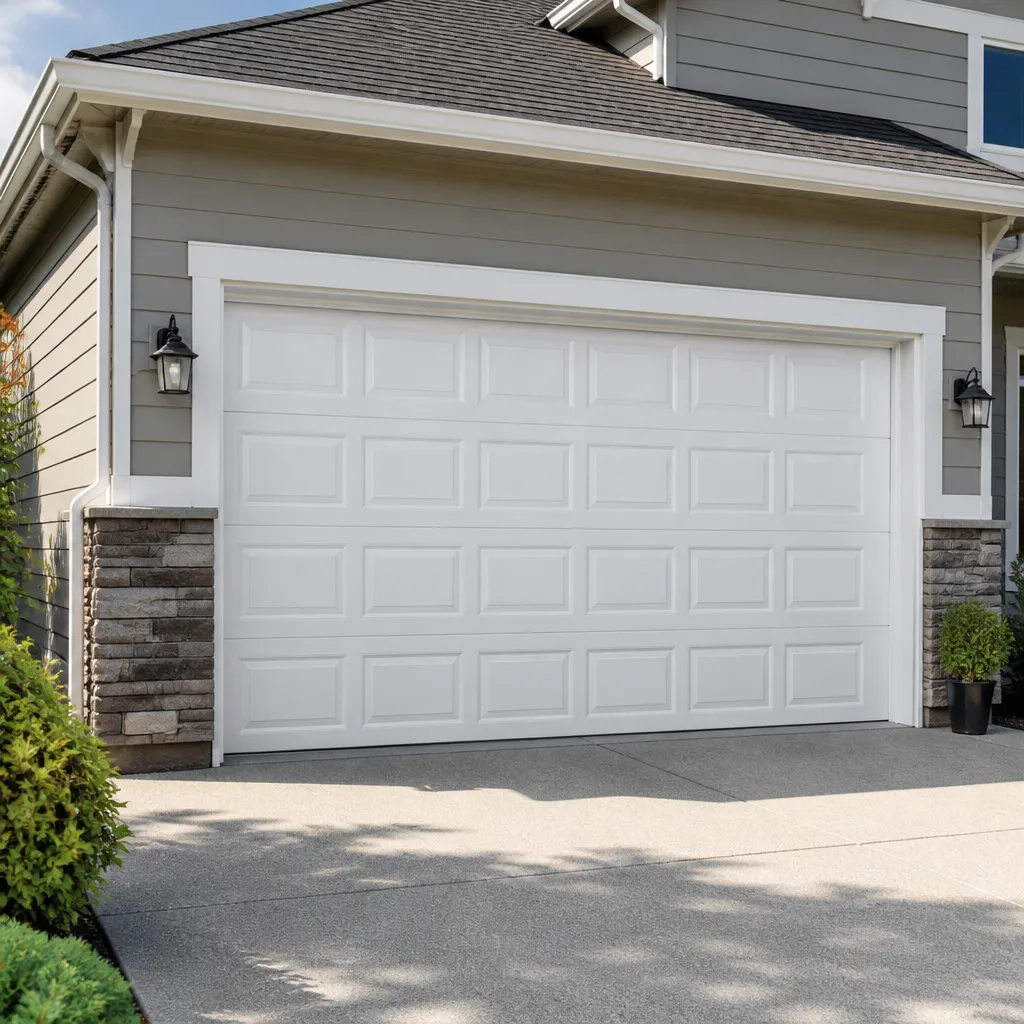 Raised-panel steel
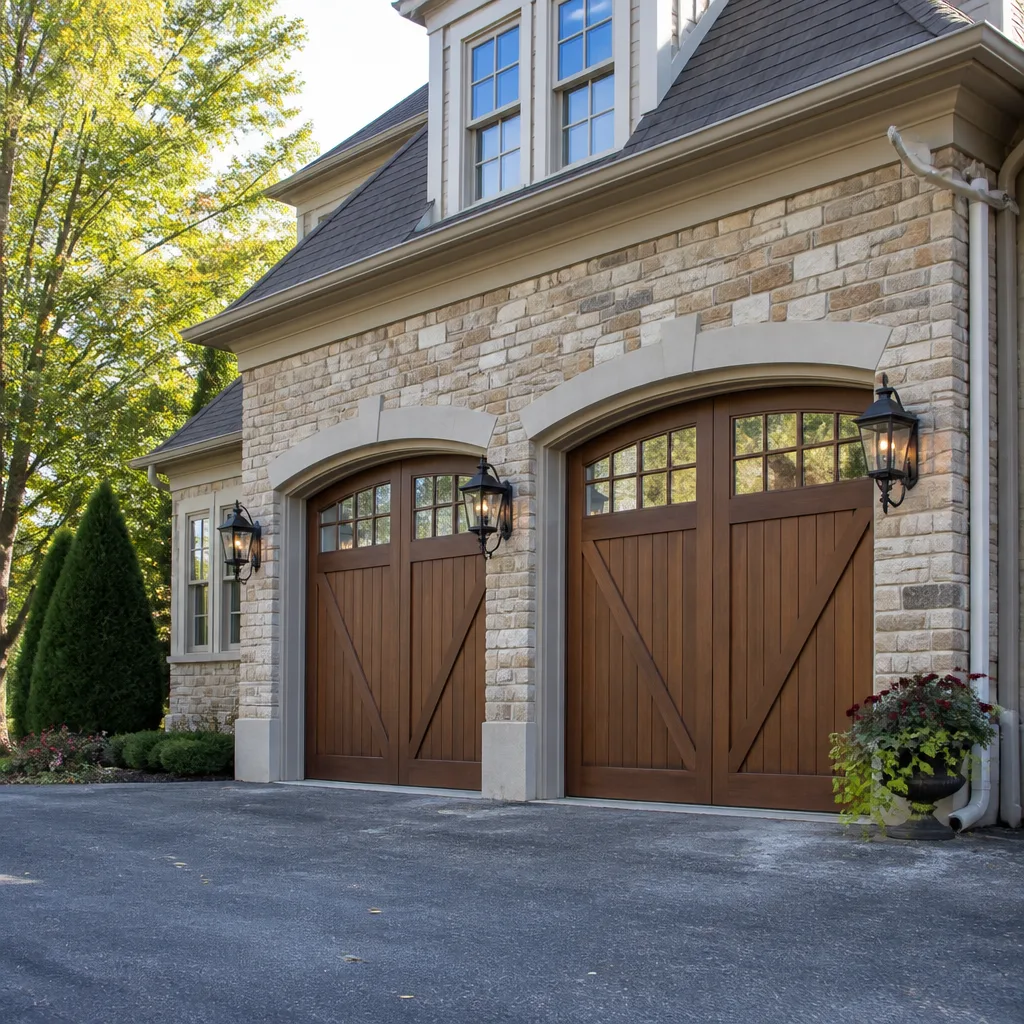 Carriage house
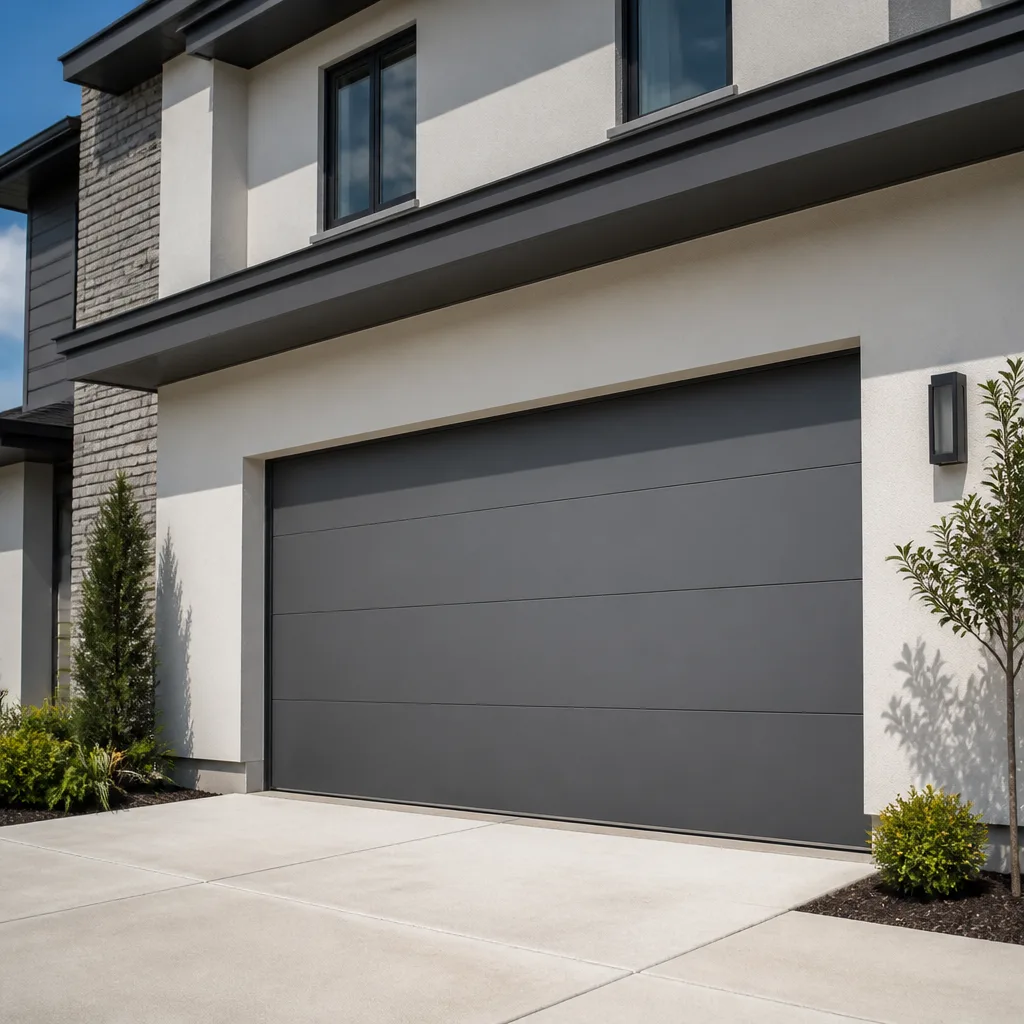 Modern flush
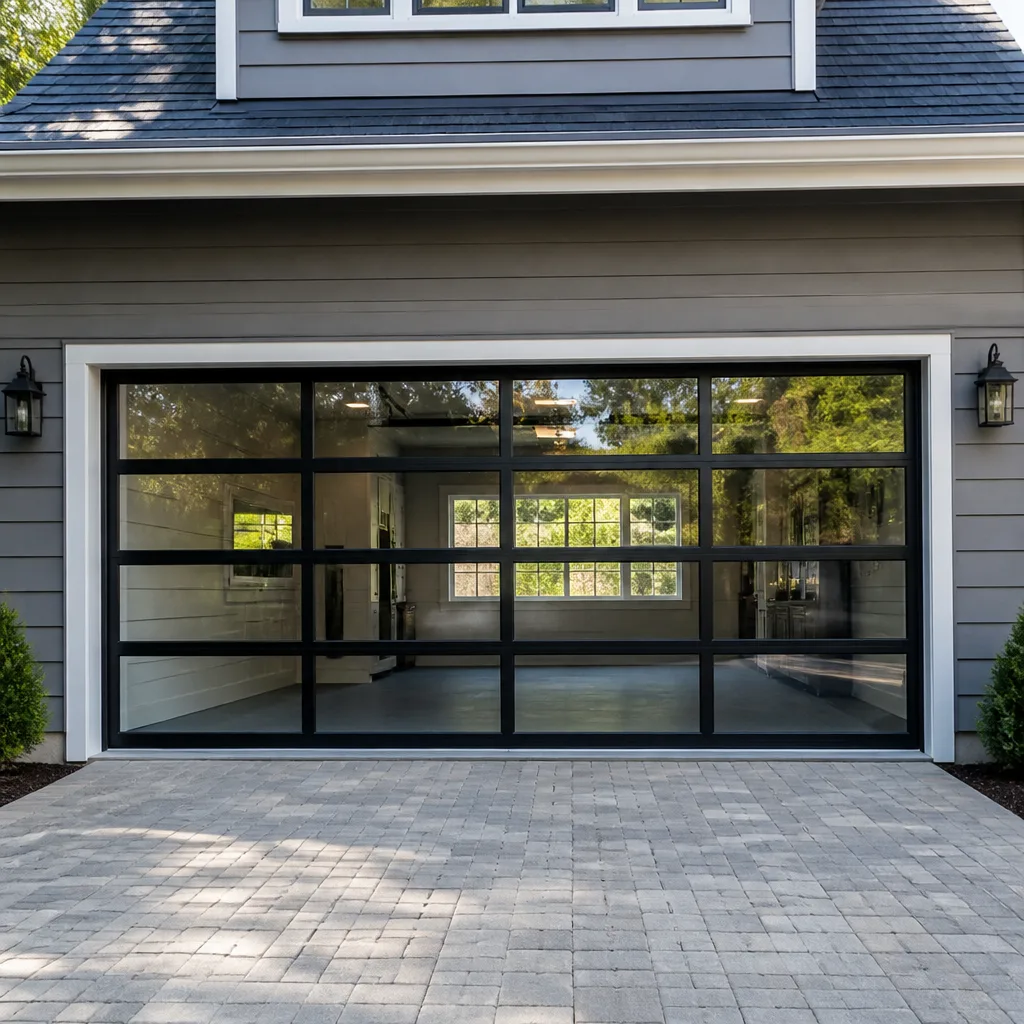 Full-view glass
 LiftMaster openers
 Chamberlain openers
Full 25-point door and opener safety check with every visit - springs, cables, rollers, tracks, and your LiftMaster or Chamberlain opener included
You get a price before we start. It does not change when the truck arrives.
Get your free estimateHow to Hire a Garage Door Contractor in San Bernardino: A Step-by-Step Guide
Any contractor can replace a door. Fewer than half can correctly calculate torsion spring replacement for a door’s actual weight, and an incorrectly wound spring is the most dangerous object in your home. San Bernardino has a surplus of generalist handymen who list garage doors as one of twenty services on their card. This guide and our Complete Garage Door Repair Guide for San Bernardino Homeowners teach you the specific questions that expose whether someone actually knows the trade or is winging it with a YouTube education and a set of winding bars they bought at Harbor Freight. You’ll learn how to verify a license, spot quote red flags, and interview a contractor like someone who knows what steel-spring physics looks like.
Styles & brands we work with
Quick Answer
To hire a garage door contractor in San Bernardino, verify their California CSLB license online, ask two or three technical questions about your specific door’s spring and track configuration, and compare written quotes that itemize parts, labor, and warranty terms. A qualified specialist should answer spring wire size and drum turn questions without hesitation, carry brand-specific parts for your LiftMaster or Clopay system, and quote a price that will not change once they inspect the door. Skip anyone who cannot produce a license number on the spot.
Table of Contents
- Why California Licensing Matters More Than You Think
- Seven Questions That Expose a Garage Door Generalist
- How to Verify a CSLB License Number in Under Two Minutes
- Red Flags in San Bernardino Garage Door Quotes
- Why Brand Specialization Changes the Diagnosis
- The Hiring Process: From First Call to Signed Quote
- What a Fair Price Looks Like in San Bernardino
- Common Mistakes to Avoid
- When to Call a Professional
- Frequently Asked Questions
- The Bottom Line
Why California Licensing Matters More Than You Think
In California, garage door work sits in a gray zone that handymen exploit. A general handyman operating under the state’s $500 per job limit can legally do minor repairs: tightening a loose hinge, replacing a roller, adjusting a sensor. What they cannot legally do is the work that actually fails on San Bernardino garage doors: torsion spring replacement, full panel swaps, opener circuit diagnosis, or any job exceeding $500 in labor and materials. When a handyman quotes you $800 to replace springs and leaves no license number on the invoice, they are working outside the law, and you are holding the liability if the spring snaps through a wall or the door falls on a car.
The Contractors State License Board (CSLB) exists for exactly this reason. A C-61/D-28 license (Door and Gate specialty) means the contractor has passed a trade exam, carries a bond, and maintains workers’ compensation insurance for any crew they send. If an unlicensed worker gets hurt on your property in San Bernardino, your homeowner’s insurance is the one that pays. That is not a hypothetical. In the Inland Empire’s hot housing market, cash-under-the-table handymen are everywhere, and the savings are rarely worth the exposure.
Our position as brand-fluent specialists at Tradesman Garage Door Repair home means we do not treat licensing as a talking point. It is the baseline. The tradesman’s standard is someone who can show you a license number before they touch a winding bar. If a contractor hesitates when you ask for a CSLB number, end the conversation.
Seven Questions That Expose a Garage Door Generalist
The fastest way to separate a garage door specialist from a generalist is to ask technical questions that have right and wrong answers. A real technician answers these without pausing. A generalist either changes the subject or gives you something vague about “upgrading your system.” Here are seven questions we recommend, tuned for what we actually see in San Bernardino homes.
- What wire size is my torsion spring, and how many turns should it get? This is the question that separates professionals from amateurs. Torsion springs are sized by wire gauge and length, and the number of quarter-turns on the winding drum depends on the door’s height and cable drum size. A specialist asks for your door’s weight and height or reads the color-coded paint on the existing spring. A handyman says “they’re pretty much universal.”
- What gauge track does my door have? Single-car doors in older San Bernardino neighborhoods often have 2-inch or 3-inch track with thinner gauge steel. Newer double doors need heavier track with reinforced mounting brackets. If the contractor cannot tell you whether your rollers ride on residential or commercial track, they have not looked closely enough at garage doors to be trusted with yours.
- Can you identify my opener’s model from the motor housing? LiftMaster, Chamberlain, Genie, and Craftsman openers each have distinct diagnostic LED patterns and logic board layouts. A brand-fluent technician reads the model number and knows whether your opener has a DC motor, a belt or chain drive, and which travel module it uses. A generalist says “I’ll just replace the whole unit.”
- Do you carry torsion springs, cables, and drums on your truck, or do you need to order them? In San Bernardino, where summer heat accelerates spring fatigue, waiting three days for a parts order means a garage door that will not open. A real repair operation stocks the common spring wire sizes and cable lengths. A handyman makes a second trip to Home Depot and charges you for it.
- What is the difference between a torsion spring and an extension spring on my specific door? Most modern doors use torsion springs mounted above the opening. Older homes in the Del Rosa and Arrowhead neighborhoods sometimes still have extension springs running along the horizontal tracks. If the contractor’s answer does not account for which type you actually have, walk away.
- How do you balance the door after replacing springs? The correct procedure: wind the springs to the specified number of turns, then test the door manually at three heights (waist, chest, overhead) to verify neutral balance. If the contractor says the opener will handle any imbalance, that is wrong, and it costs you a burned-out opener motor within a year.
- Can you show me the CSLB license number, and does your insurance cover property damage from a spring failure during service? No real contractor takes offense at this question. In fact, the ones who welcome it are the ones you want to hire.
If a contractor answers all seven correctly, you are talking to someone who has earned the trade. In our experience operating across the Inland Empire as garage door specialists, genuine technicians love these questions because they finally get to talk shop.
How to Verify a CSLB License Number in Under Two Minutes
Do not take a license number printed on a business card at face value. In San Bernardino, unlicensed operators borrow license numbers from relatives or list expired numbers they found online. Verifying takes two minutes and removes all doubt.
- Go to the CSLB website or the California Department of Consumer Affairs license lookup portal on a smartphone. Bookmark it before you make the first call.
- Enter the license number the contractor provided. Do not search by business name alone. Names can be similar. The number ties the contractor to a specific registration.
- Check the classification. Look for C-61/D-28 (Door and Gate) or a related specialty class. A Class B General Building contractor may legally take on garage door work, but a specialty classification tells you doors are the primary trade, not a side item on a remodel.
- Verify the status is Active and not suspended, expired, or revoked. The CSLB updates this in real time when disciplinary actions occur.
- Confirm the business name on the license matches the name on the quote and the invoice. If a contractor says “I work under my brother’s license,” that is a CSLB violation, and their bond and insurance do not cover your job.
- Check the workers’ compensation field if the contractor will have employees on site. A sole proprietor can waive workers’ comp, but a crew cannot. If a worker falls off a ladder at your San Bernardino property and there is no workers’ comp, your insurance gets the claim.
This two-minute check eliminates the bottom tier of the market. And the bottom tier of the garage door market is not people who do rough work. It is people who do dangerous work without the legal and financial structure to stand behind it.
Red Flags in San Bernardino Garage Door Quotes
We have seen hundreds of quotes handed to homeowners in San Bernardino, Grand Terrace, and the surrounding foothill communities. Certain patterns show up routinely among the operators you should avoid. Here is what to watch for.
- “Lifetime warranty on springs.” No legitimate garage door company offers a lifetime warranty on torsion springs. Springs are a consumable component. They are rated for cycles. A quality spring can last 10,000 cycles, which in a busy household might be seven to ten years, but no one guarantees that spring against fatigue fracture for life. This promise comes from companies that either do not understand their own product or plan to disappear before the claim comes due.
- “We need to replace the whole door.” When a technician looks at a torn cable or a bent section and immediately recommends a full replacement without attempting a repair quote, that is an upsell. A repair-first approach means diagnosing the specific failure first, presenting the repair cost, and only discussing replacement when the math genuinely favors it. If the word “replacement” comes up before the word “diagnosis,” get a second opinion.
- Quotes without line items. A hand-scrawled estimate saying “door fix – $750” tells you nothing about what parts are being used, whether the springs are new, whether the labor includes balancing, or whether the price covers the opener. In San Bernardino’s competitive market, reputable operators itemize.
- “I need to charge a trip fee before I look at the door.” When a contractor cannot describe the job over the phone and demands money before arriving, the fee typically gets folded into an inflated quote once they have your driveway as leverage. Established companies quote by the job description and confirm the price on site before work begins.
- Pressure to sign today. There is no legitimate urgency in garage door repair except the emergency you called about. A contractor who says the price is only good for the next six hours is using scarcity the way car salesmen use a “today only” number. A real quote holds for a reasonable period.
- The quote specifies “garage door opener” but not the brand or model. In San Bernardino, if your quote says “opener installation $450” without naming the motor brand, you are likely getting the cheapest chain-drive unit the contractor found at a salvage yard. A professional names the equipment, the model number, and the drive type. We work on LiftMaster, Chamberlain, Genie, and Craftsman openers every week, and the difference in quality between models within each brand is substantial.
One more local note: San Bernardino’s summer heat means springs and cables age faster than in coastal climates. A quote that recommends replacing both springs when only one snapped is not a scam. That is correct practice, because the second spring has the same age and the same cycle count. The red flag is the opposite: a contractor who replaces only the broken spring to keep the price low, knowing you will be calling again in six months.
Why Brand Specialization Changes the Diagnosis
Garage doors are not generic. A Clopay steel-backed insulated door behaves differently than a Wayne Dalton pinch-resistant panel door in a San Bernardino summer. A LiftMaster belt-drive opener has diagnostic patterns, travel limits, and logic board failure modes that a Genie screw-drive unit does not share. The technician who has seen your specific system repeatedly will diagnose faster and parts-source better than a generalist working from first principles.
A contractor who knows LiftMaster and Chamberlain openers intimately does not waste your money replacing a logic board when the problem is a misaligned photo eye. That same specialist knows which Chamberlain travel modules are prone to failure in the Inland Empire’s heat and will replace the failing part before it strands your door open at 6 a.m. on a workday. Brand fluency is not about marketing. It is about not making you pay for the contractor’s learning curve.
For doors, the stakes are higher. Different manufacturers use different spring sizing. A Clopay door’s torsion system is engineered for specific cable drum diameters and spring wire gauges. A technician who has installed and repaired dozens of Clopay doors knows these specs from memory. A generalist looks at the spring color code, guesses, and hopes. In our shop, the “Tradesman” identity means something specific: career-level specialists who work on the brand you already have, not a preferred substitute we happen to sell this quarter. We have been doing Garage Door Repair in Grand Terrace and the wider San Bernardino market with that approach for years, and the difference shows in how fast a diagnosis comes together.
When you interview a contractor in San Bernardino, ask them to name the last three door brands they worked on. If the answer is “all of them, pretty much” without specifics, you have your answer. A specialist says something like “Clopay, Amarr, and an old Wayne Dalton steel door this morning.”
The Hiring Process: From First Call to Signed Quote
Here is a step-by-step process we recommend for hiring a garage door contractor in San Bernardino. It works whether you have a snapped spring and need someone today or you are planning a new installation six weeks out.
- Describe the problem precisely on the call. Do not say “my garage door is broken.” Say “the door opens about a foot, stops, and reverses” or “the left spring above the door snapped in half last night.” The more specific you are, the better the over-the-phone diagnosis and price range. A contractor who asks good clarifying questions on the first call is a contractor who diagnoses well.
- Ask for a price range before you schedule. Any reputable company can quote a range for common jobs: spring replacement, cable replacement, opener swap. The range should be specific, not “between $100 and $1,500.” In San Bernardino, a single torsion spring replacement typically falls in the $250 to $350 range for parts and labor, and a quality opener replacement runs $450 to $800 depending on the motor and drive type.
- Request the exact price after inspection, before work starts. When the technician arrives, they should confirm the diagnosis, verify the door’s weight and configuration, and give you a final number. If the number changes from the phone quote, ask why. A legitimate change has a reason: the second spring also needs replacement, the cable drum is worn, the door is heavier than expected. If the reason is vague or the price jumps without explanation, stop the job.
- Ask for a written quote with line items. Parts, labor, warranty terms, and a description of the work being performed. If the contractor is unwilling to put it in writing, do not let them start.
- Confirm cleanup and old part removal. Snapped springs and replaced opener motors leave metal and plastic behind. A professional takes the debris with them. A handyman leaves it in your driveway.
- Pay only when the work is done and the door is tested. A professional balances the door manually, runs the opener through multiple cycles, and adjusts the limits and force settings. You should see the door move smoothly at all three heights and reverse when the photo eye is blocked. Watch the test. If the contractor is gone before you have seen the door operate, the job is not done.
This process applies to repair and replacement. For a full Garage Door Installation in Grand Terrace or elsewhere in the San Bernardino area, the process is the same except the measurement happens first, the door is ordered, and the work is scheduled. No one installs a new door the same day. Anyone who promises that is cutting corners somewhere.
What a Fair Price Looks Like in San Bernardino
Prices vary by door type, spring size, opener brand, and time of year, but you should have a reference range before anyone shows up. Here is what we see across the San Bernardino market for common garage door jobs.
| Service | Typical San Bernardino Price Range | Notes |
|---|---|---|
| Single torsion spring replacement | $250 – $350 | Includes labor and balancing |
| Pair of torsion springs replaced | $350 – $500 | Recommended when one has snapped |
| Cable replacement (one side) | $150 – $250 | Often done alongside spring work |
| Opener motor replacement (LiftMaster / Chamberlain / Genie) | $450 – $800 | Belt drive on the higher end, chain on the lower |
| Photo eye sensor replacement | $120 – $180 | Common failure in dusty Inland Empire garages |
| Pannel replacement (single section) | $300 – $600 | Depends on door make, insulation, and color matching |
| Full door installation (single bay) | $1,200 – $2,500 | Varies widely by material and insulation |
| Tune-up and safety inspection | $100 – $200 | Includes lubricating rollers, checking balance, tightening hardware |
These are ranges, not promises. A door from the 1970s with non-standard track will cost more than a 2015 Clopay steel door. An opener install that requires new wiring or a reinforced mounting bracket costs more than a drop-in motor swap. A professional gives you a firm number before starting, not a range with a shrug. If your quote falls dramatically below these numbers, ask what is being left out.
Common Mistakes to Avoid
- Hiring based on the lowest quote without checking the license. The cheapest bid in San Bernardino is usually from an unlicensed operator with no bond and no insurance. That savings disappears the first time something goes wrong and there is no one accountable.
- Allowing a replacement recommendation before a repair diagnosis. A door with a broken spring or a frayed cable does not automatically need replacing. A repair-first contractor tells you the repair cost, repairs it, and only then discusses the door’s overall condition.
- Skipping the manual balance test after spring work. If the technician leaves without testing the door by hand at multiple heights, you have no confirmation the spring was sized and wound correctly. An unbalanced door wears down an opener motor in months.
- Paying the full amount before the work is done. A reasonable deposit for a custom door order is standard. Full payment before the door arrives is not. For repairs, payment comes when the door operates correctly through multiple cycles.
- Ignoring opener brand compatibility. Not every opener works well on every door. A heavy wooden door or an insulated steel door needs an opener rated for its weight. A contractor who doesn’t ask about your door’s weight before recommending an opener is guessing.
- Failing to check the warranty terms in writing. A verbal “don’t worry, if anything goes wrong, call me” is not a warranty. A written warranty specifies what is covered, for how long, and what the exclusions are. Springs wear out. Motors have lifespan limits. A real contractor tells you what is and is not covered. We regularly handle Garage Door Opener Repair in Grand Terrace for homeowners whose previous contractor provided no written warranty at all.
When to Call a Professional
Garage door work is not a YouTube project. Torsion springs are under enough tension to break bones or kill. Cables under load can slice through a hand the moment the tension lets go. An opener motor connected to a misaligned door is an electric hazard waiting to happen. If your door will not open at all, if a spring has snapped visibly, if the cables are frayed, or if the door reverses erratically, the right move is to stop using the door and call a licensed specialist.
San Bernardino’s heat means these failures are not rare. They are seasonal. When summer hits and doors that have carried the same springs through seven years of hot afternoons start snapping, every homeowner in the area calls at once. That is when the difference between a prepared specialist and a handyman becomes obvious. Tradesman Garage Door Repair offers free estimates in San Bernardino. Call (855) 916-6950 for a price before anyone touches your door. The estimate is free, and the number is firm before work starts.
Frequently Asked Questions
Garage door repair in San Bernardino typically costs between $150 and $600 depending on the failure. A single torsion spring replacement runs $250 to $350, a cable replacement $150 to $250, and a full opener swap $450 to $800. The price is quoted and agreed before any work starts, and the exact number depends on your door’s weight, age, and configuration. Call (855) 916-6950 for an exact quote on your specific door.
A handyman in California can legally perform minor garage door work like tightening hardware or replacing a roller, but only if the job stays under the $500 labor and materials threshold. Torsion spring replacement, full panel work, and most opener diagnostics exceed that limit and require a licensed contractor. Unlicensed workers doing licensed work exposes you to liability if something goes wrong.
Ask for the contractor’s CSLB license number, then search it on the CSLB website or the California Department of Consumer Affairs license lookup portal. Confirm the classification includes a door and gate specialty (C-61/D-28), the status is active, and the business name on the license matches the invoice. Refusal to provide a number is all the information you need.
Ask about torsion spring wire size and drum turns for your door’s height and weight, your track gauge, your opener’s brand and model, which parts they carry on the truck, and how they balance the door after spring replacement. A specialist answers these without hesitation. A generalist deflects. These seven questions are covered in detail in the section above.
When one spring snaps, the second spring has the same age, same cycle count, and same fatigue. Replacing only the broken spring means the matching spring fails shortly after, and you pay for a second service call. Replacing both is standard practice, not an upsell. A contractor who replaces only one to keep the price low is not doing you a favor.
It should not, unless the inspection reveals something the phone diagnostic could not see. A frayed cable drum or a heavier-than-expected door are legitimate reasons for an adjustment, but the change should be explained clearly and added to the written quote before work begins. Contractors who routinely quote low on the phone and raise the price on site should be avoided. A reputable professional gives you a firm number before any wrench turns.
The Bottom Line
For more guides & resources, visit our blog. Hiring a garage door contractor in San Bernardino comes down to three things: verify the license, ask the technical questions, and get the price in writing. The city has no shortage of people willing to work on your door. It has far fewer who can tell you the spring wire size, explain the drum turns for your door height, and show you an active CSLB number without flinching. A specialist who works on the brand you already have, repairs before replacing, and stands behind their work with a written quote is worth more than any discount a handyman can offer. When your door is stuck and your car is trapped inside, call a tradesman first.
Written by the team at Tradesman Garage Door Repair, serving San Bernardino since 2016.
See the difference
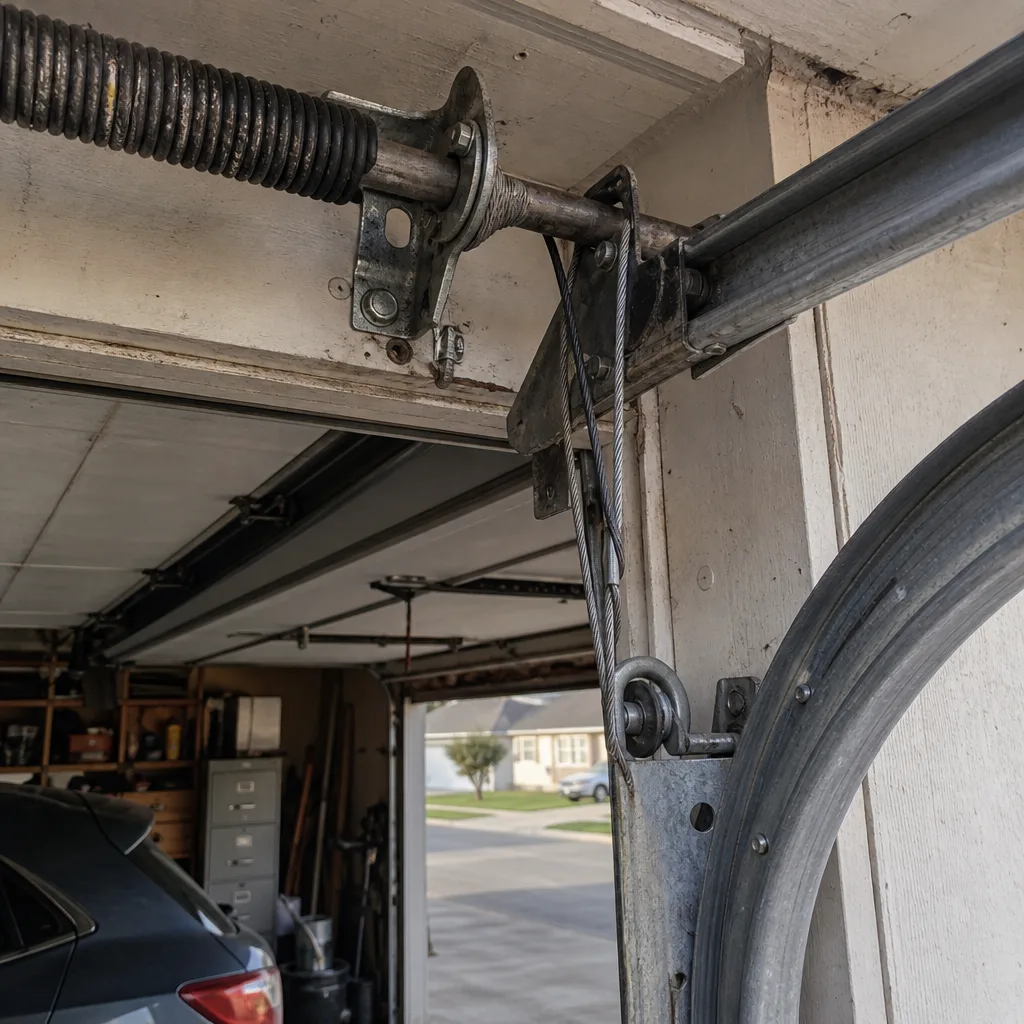 Before
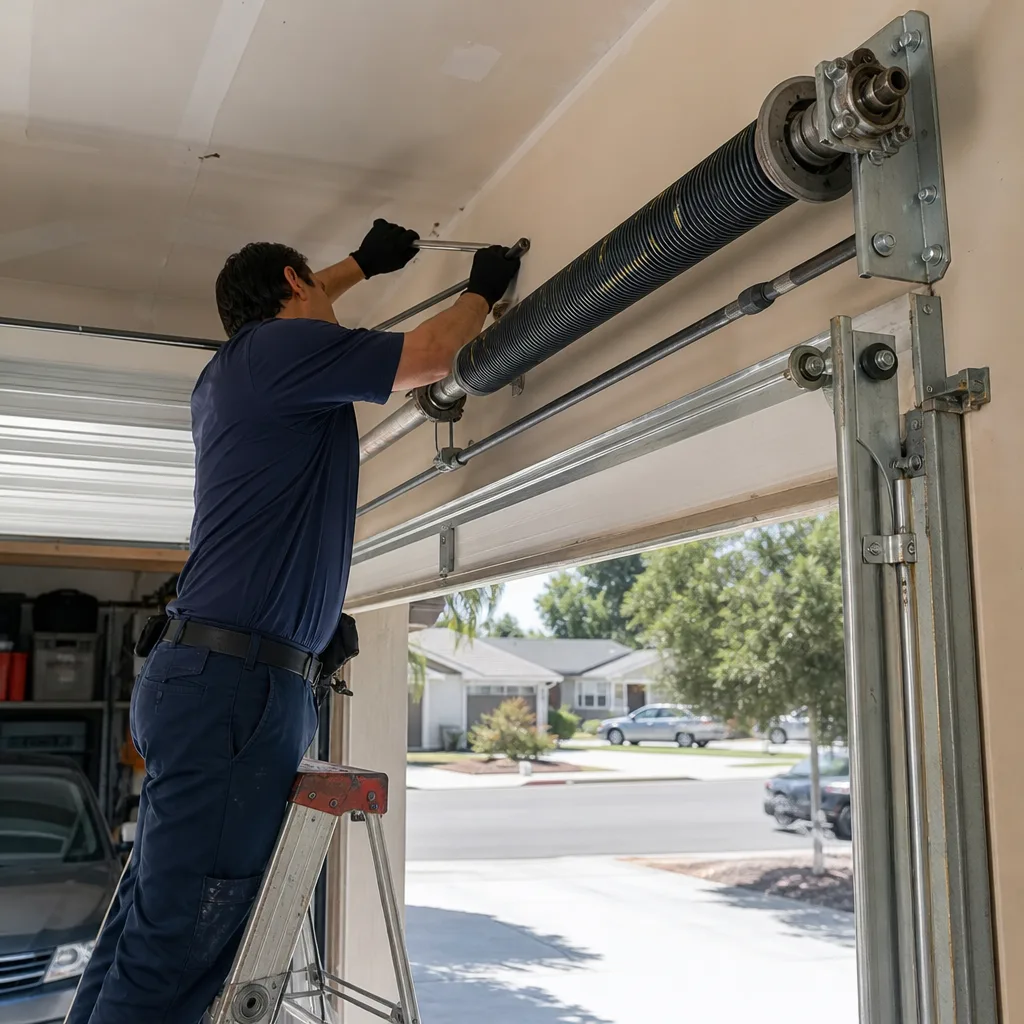 After
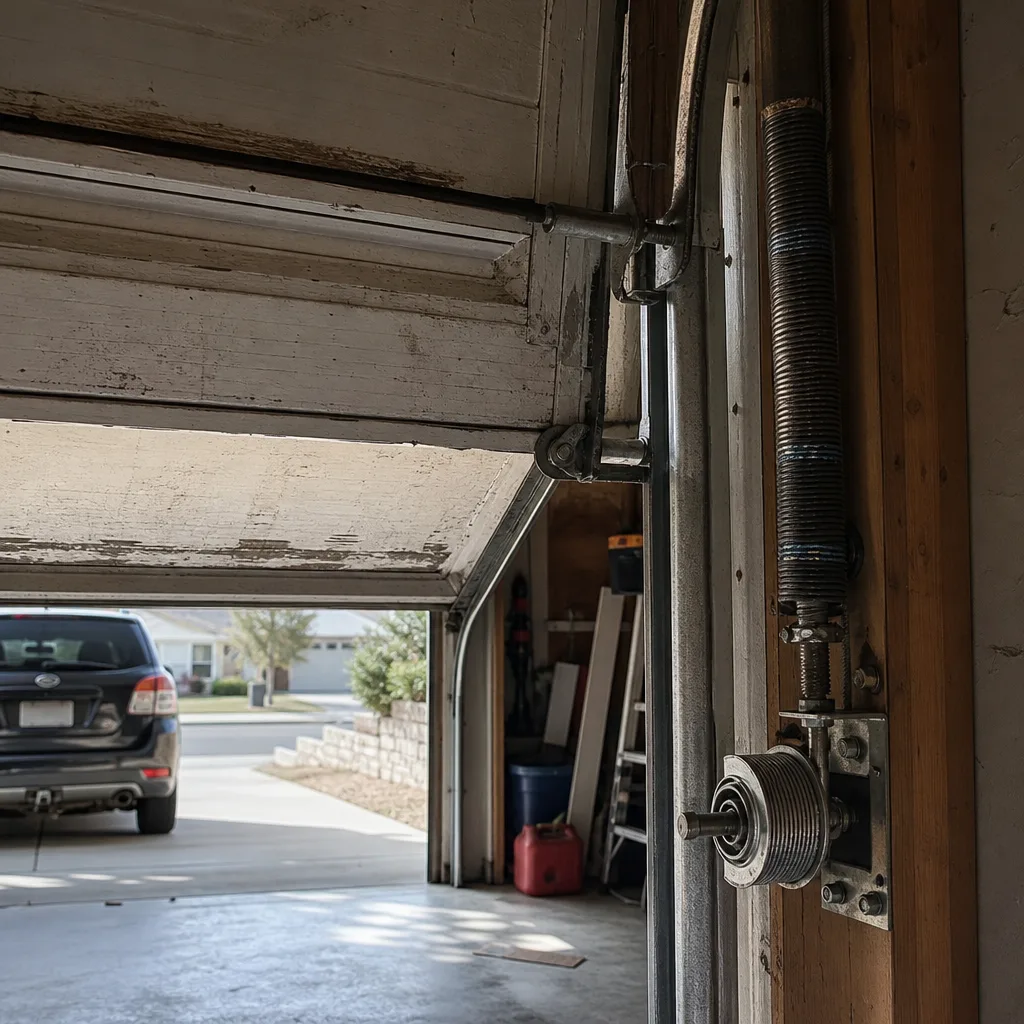 Before
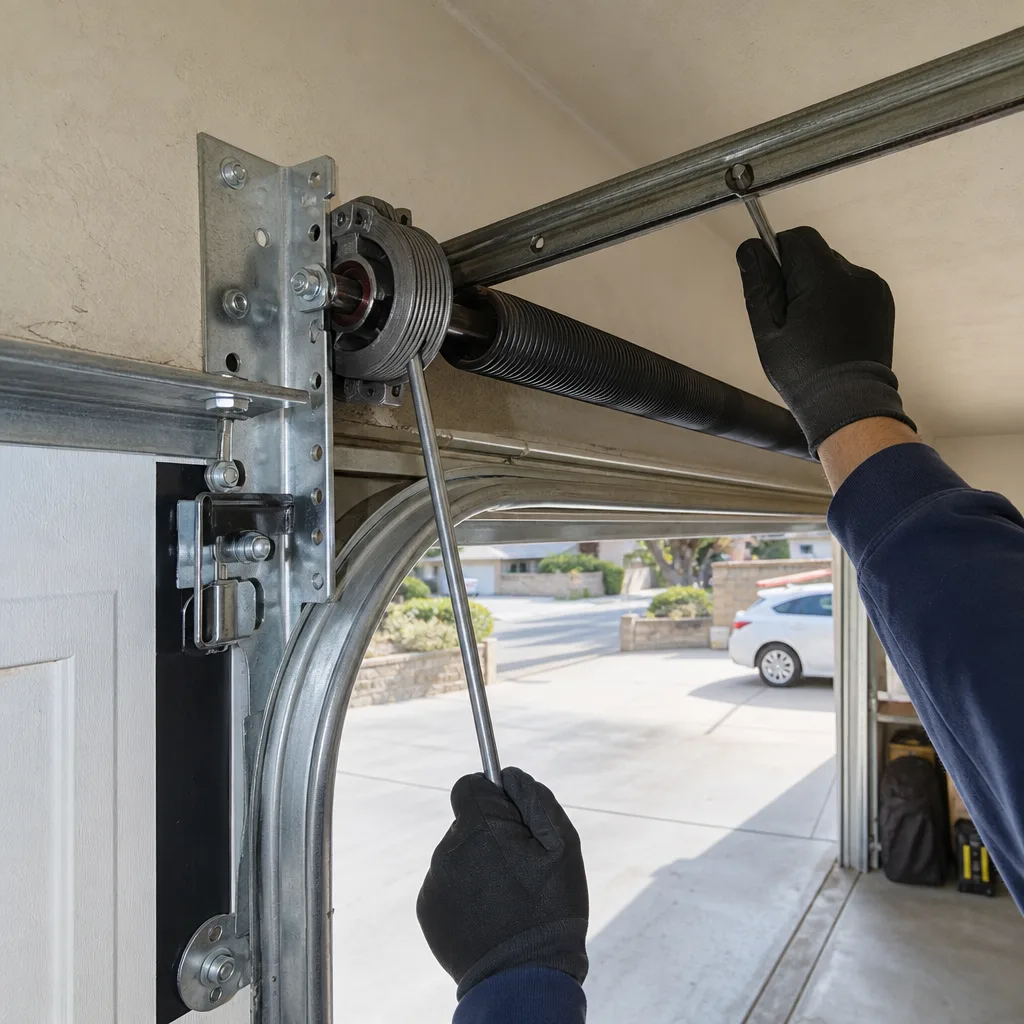 After
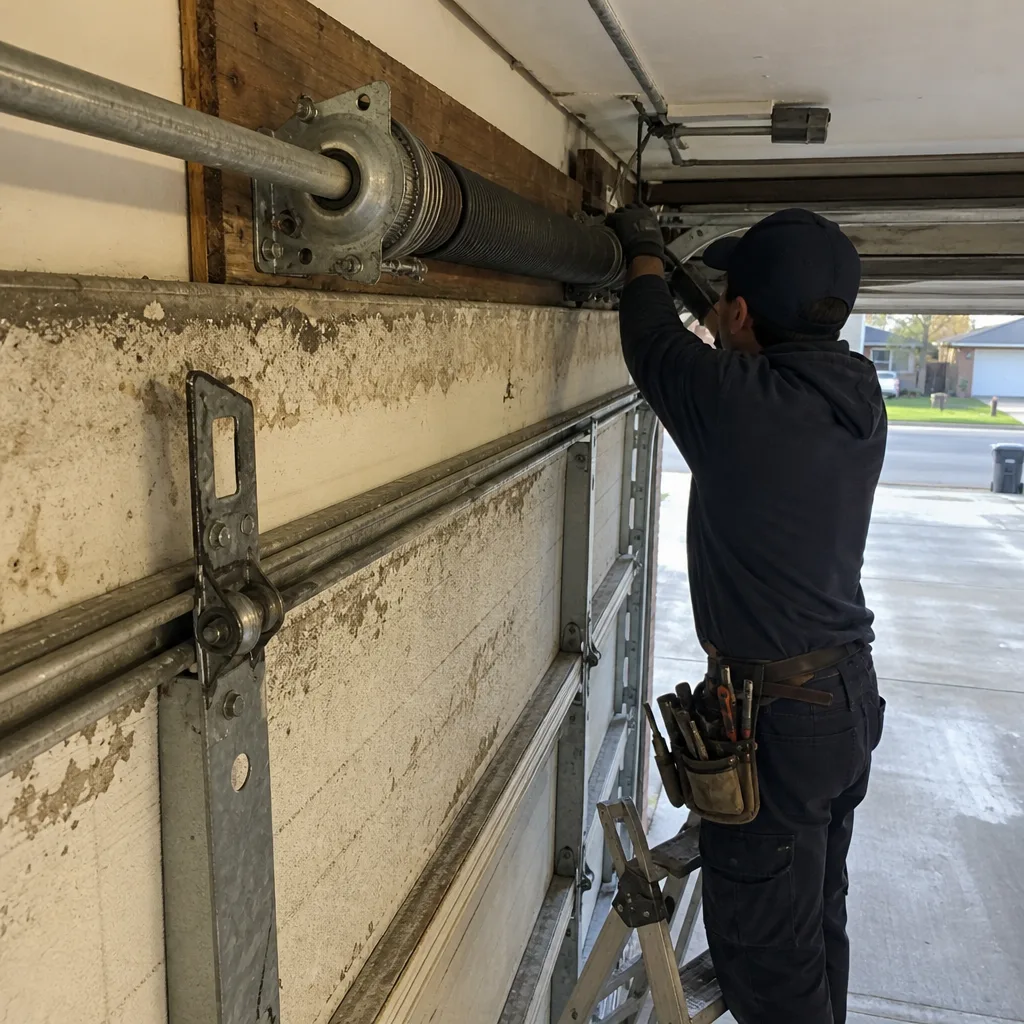 Before
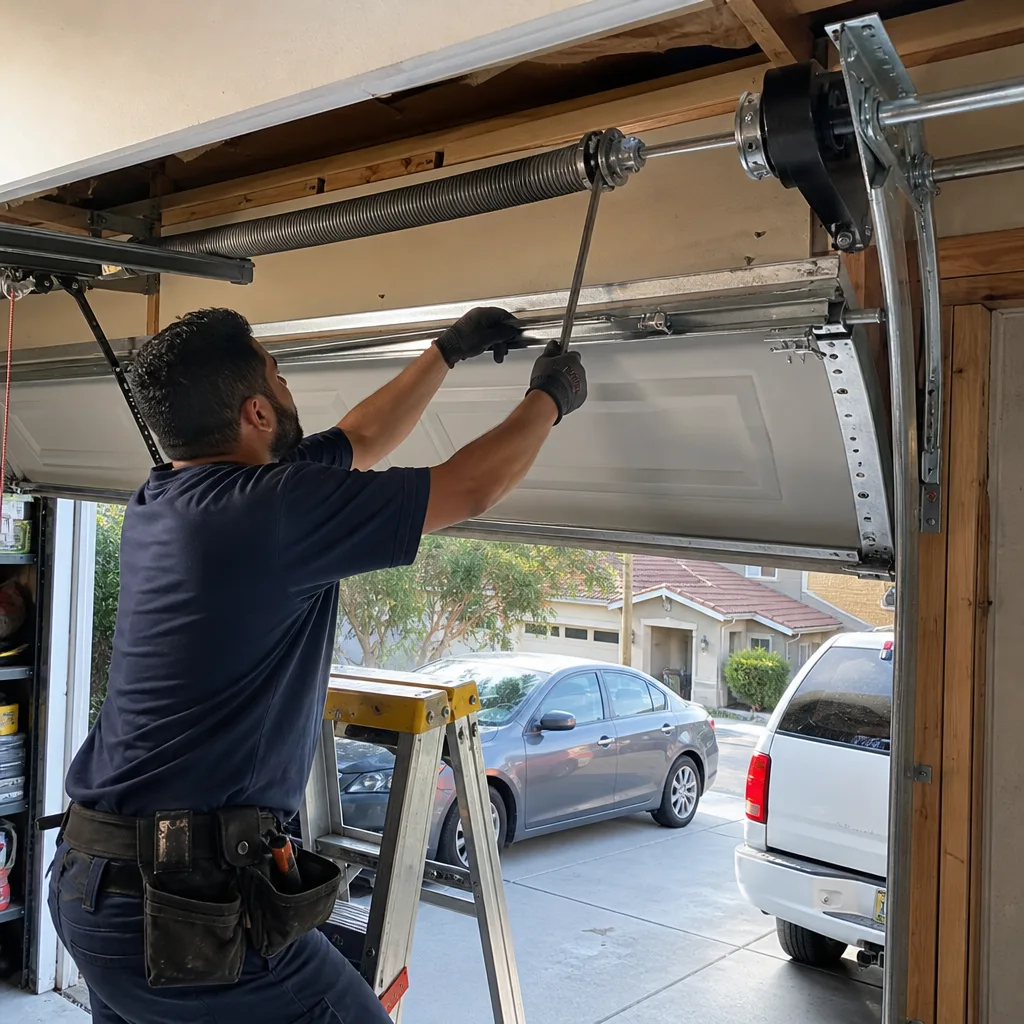 After