
Last updated October 30, 2026
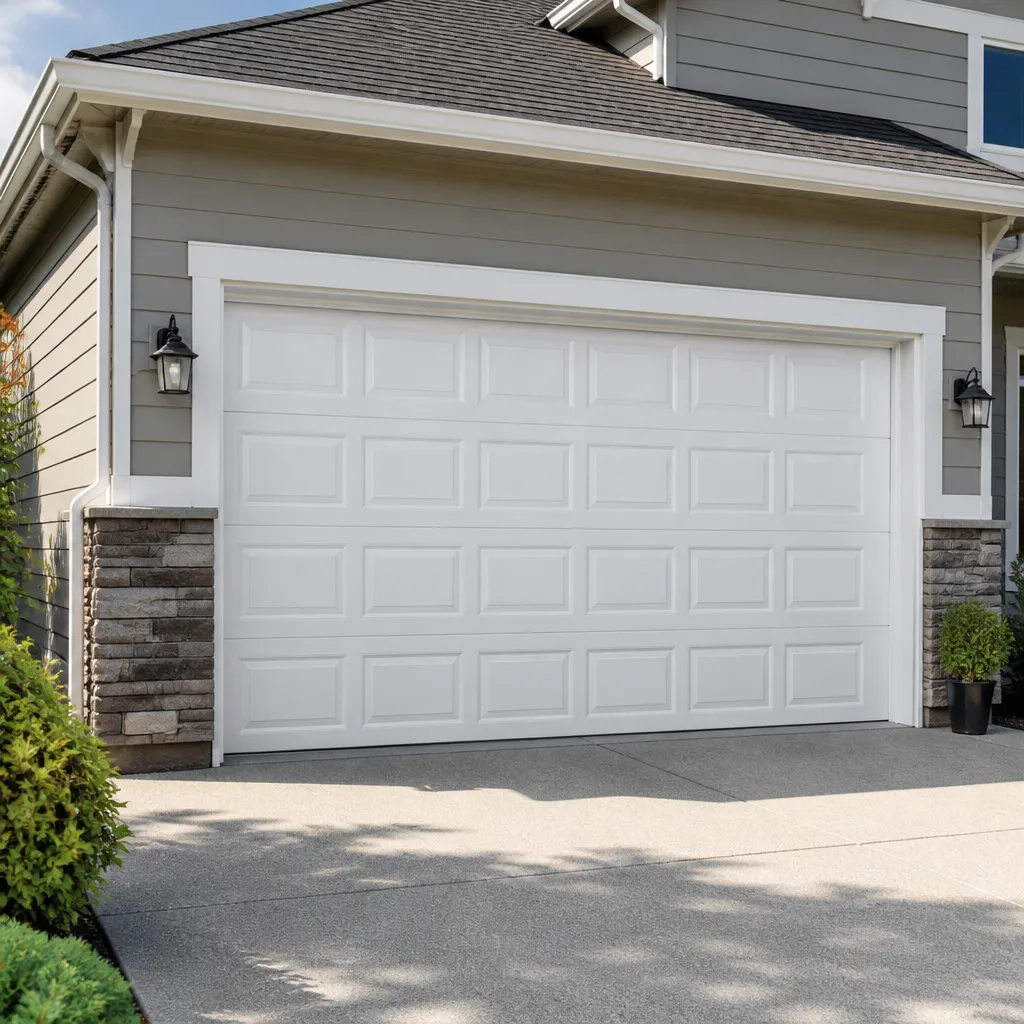 Raised-panel steel
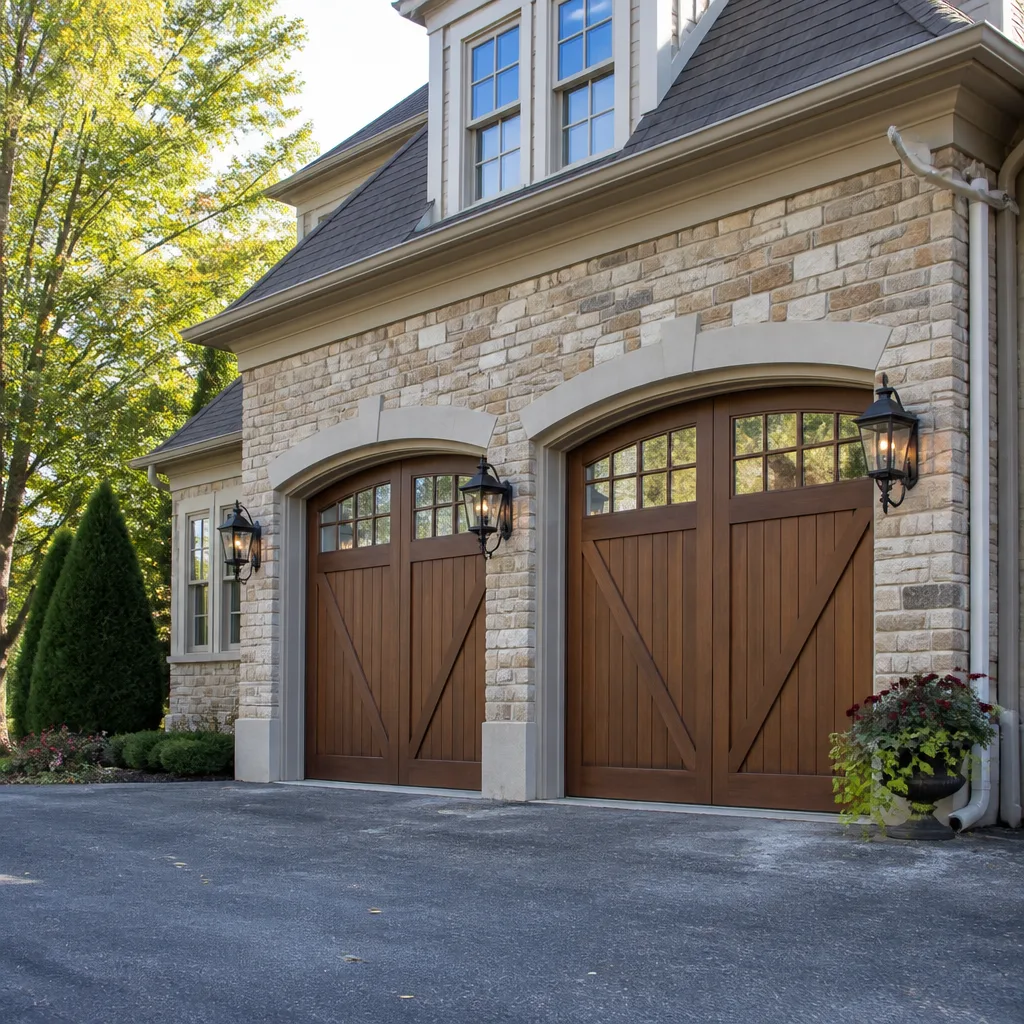 Carriage house
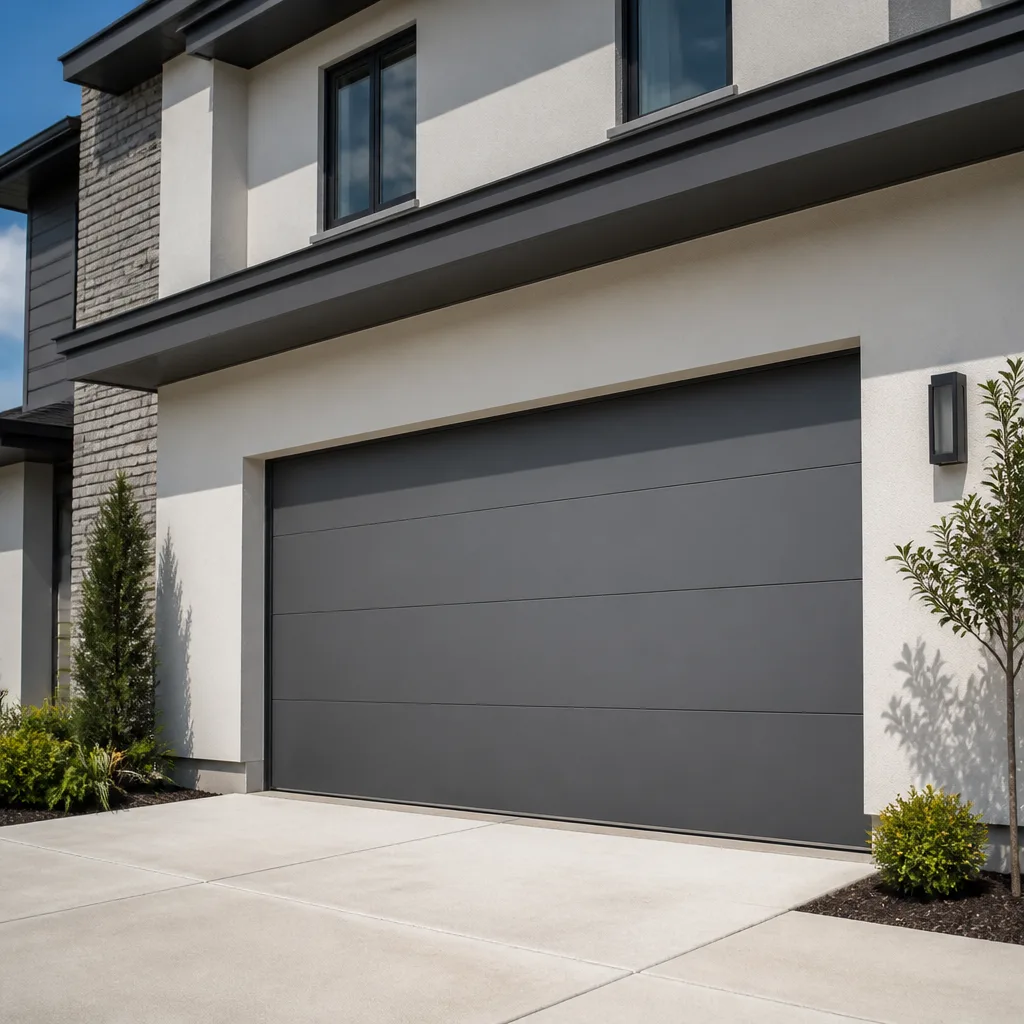 Modern flush
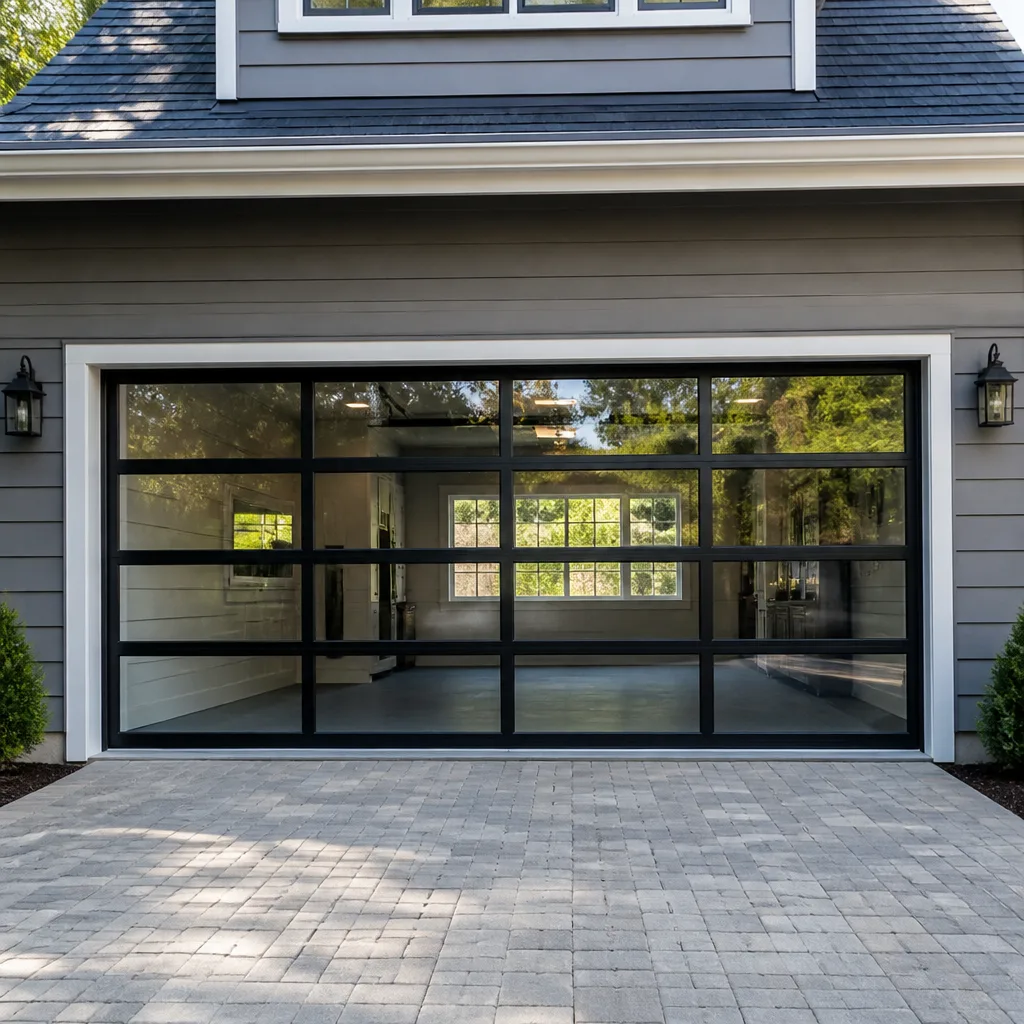 Full-view glass
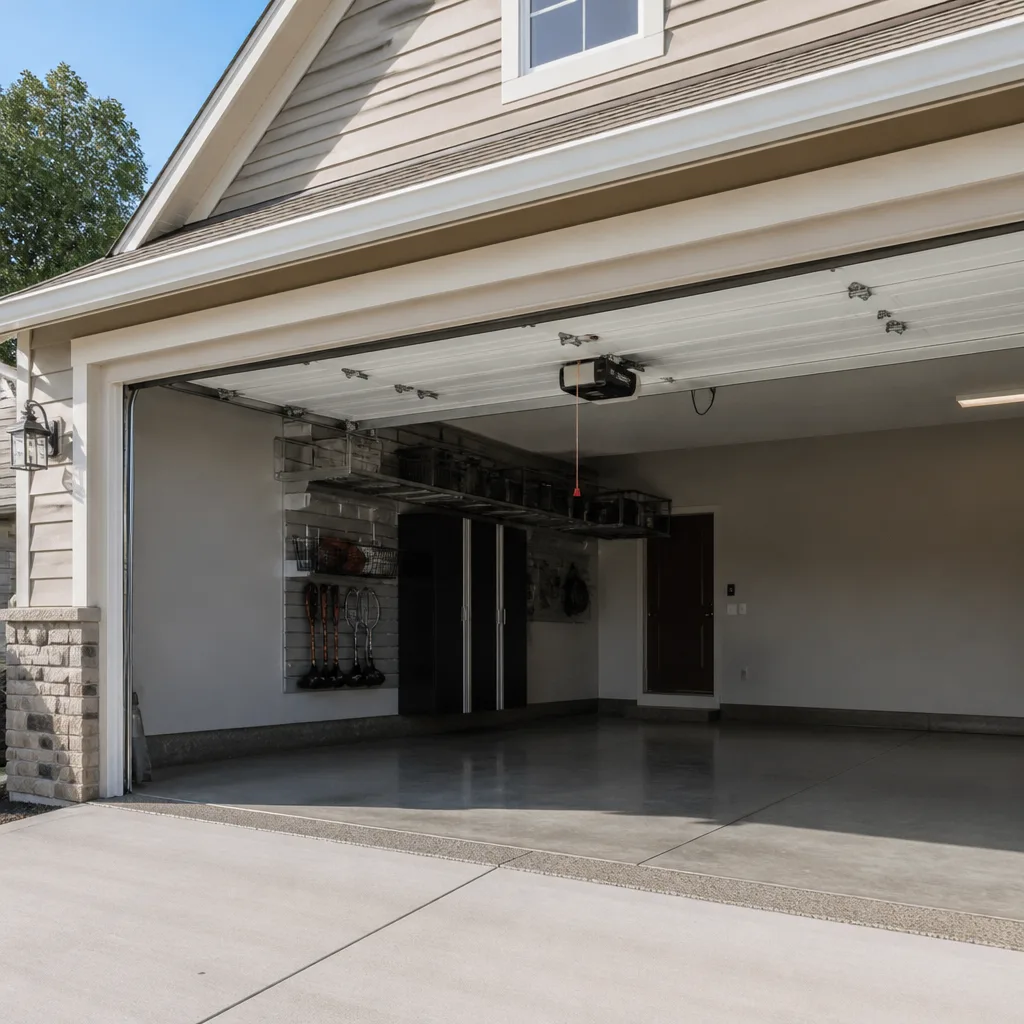 LiftMaster openers
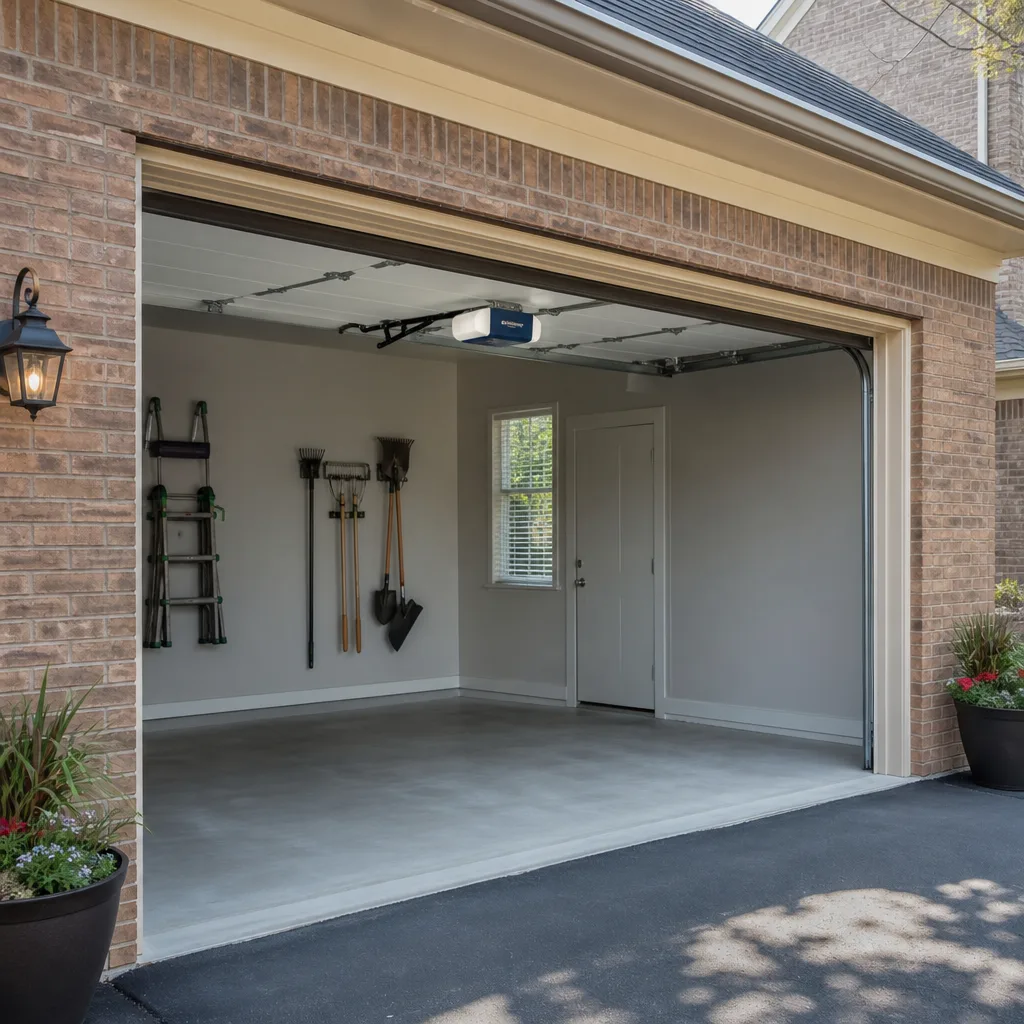 Chamberlain openers
Full 25-point door and opener safety check with every visit - springs, cables, rollers, tracks, and your LiftMaster or Chamberlain opener included
You get a price before we start. It does not change when the truck arrives.
Get your free estimateGarage Door Warning Signs: A San Bernardino Homeowner’s Reference Guide
A garage door that hesitates for half a second before reversing isn’t malfunctioning. It’s telling you the springs are losing tension and have maybe 30 to 60 days before they snap. Most San Bernardino homeowners only notice their garage door when it fails completely. By then, a $90 service call has turned into a $600 Saturday emergency. This guide covers the subtle early signals our technicians look for on every service call in San Bernardino, the signs that show up weeks or months before a breakdown, and what each one means for the hardware you already own. For year-round maintenance tips, see our seasonal care guide.
Styles & brands we work with
Quick Answer
The most common early warning signs of garage door failure in San Bernardino are a door that hesitates or moves unevenly, grinding or squealing sounds that change pitch, visible rust lines or stress cracks on torsion springs, an opener that runs slower than it used to, and a door that won’t stay put when stopped manually. Any one of these means a component is wearing out and should be checked before it fails outright.
Table of Contents
- Sounds That Mean Something: Rollers, Chains, and Springs
- Opener Behavior Changes as Diagnostic Signals
- What Spring Rust and Stress Cracks Actually Look Like
- The Balance Test: Why a Door That ‘Works Fine’ May Be Failing
- Weatherstripping and Seals: The San Bernardino UV Factor
- Cables, Tracks, and Hinges: The Structural Warning Signs
- Panel Wear and Door Alignment: What the Metal Tells You
- Common Mistakes to Avoid
- When to Call a Professional
- Frequently Asked Questions
- The Bottom Line
Sounds That Mean Something: Rollers, Chains, and Springs
Every garage door makes some noise. The question is whether the sound is consistent or changing. A door that sounds the same today as it did six months ago is probably fine. A door that’s getting louder, developing a new squeak, or changing pitch mid-cycle is telling you something specific about the hardware.
Here’s what we listen for when a San Bernardino homeowner describes a noise over the phone:
- A rhythmic squeak that matches the door’s movement speed. This is almost always a roller. Steel rollers with worn bearings start to squeal, especially in dry climates like San Bernardino where factory lubrication burns off faster. Nylon rollers rarely squeak, so if you hear this, you likely have steel rollers that are due for replacement.
- A grinding or metal-on-metal rasp. This points to the track or the roller stem. When a roller binds in the track, it scrapes instead of spins. Left alone, it will flat-spot the roller and eventually gouge the track itself.
- A deep rattling that gets worse when the door passes the halfway point. That’s the chain or belt on the opener. A loose chain slaps against the rail. A belt that’s lost tension can skip teeth on the sprocket. Neither one fixes itself.
- A sharp pop or bang, followed by a door that won’t move. That’s a torsion spring letting go. It’s unmistakable when it happens, and it requires professional replacement. Torsion springs are under extreme tension and are genuinely dangerous to work on without training and the right winding bars.
In our experience, noise is the warning sign homeowners ignore the longest because it builds gradually. A door that adds a little noise every month doesn’t trigger alarms the way a sudden bang does. But the gradual noise is the one that gives you time to act cheaply. For reference, our full service area includes Garage Door Repair in Grand Terrace and surrounding communities, and the sounds we hear there match what we hear across San Bernardino.
Opener Behavior Changes as Diagnostic Signals
Your opener is a diagnostic tool. When the hardware below it starts to wear, the opener compensates by working harder. You can read that extra effort in how the opener behaves. Here’s a numbered walkthrough of what we check for on a service call, in the order it usually shows up.
- Slower than normal operation. If your door used to open in 12 seconds and now takes 15 or 18, the opener motor is straining. Common causes: worn springs that aren’t helping lift weight anymore, rollers that are binding in dry tracks, or an opener gear that’s stripping inside. On LiftMaster and Chamberlain units especially, a worn main gear makes the motor sound labored even when the door moves at normal speed.
- Hesitation when reversing direction. A healthy door reverses immediately when the wall button or remote tells it to. If there’s a pause, then a slow lurch, the limits may need resetting, or the opener’s logic board is fighting a door that’s too heavy on the up-cycle. This is the half-second signal we mentioned in the intro. It’s subtle, and it’s usually spring-related.
- Mid-cycle reversal. If the door goes down eight inches, stops, and comes back up, the safety sensors are misaligned or one has failed. This is the one opener behavior that’s usually not about springs or balance. Check for anything blocking the sensor beam, then call for service if it persists. On Genie systems, a blinking red light on the sensor tells you which side lost alignment.
- The opener runs but the door doesn’t move. On a chain or belt drive, the disconnect rope has usually been pulled. On a screw drive or direct-drive unit, the coupler between motor and drive may have sheared. If the disconnect rope is hanging freely but the door still won’t engage, don’t force it. You may have a broken spring, and running the opener against that dead weight will strip the gear inside the opener shell.
One of the reasons we carry parts for multiple brands on the truck is that opener symptoms vary by manufacturer. A Genie opener under load sounds different from a Craftsman under load. If a technician only works on one brand, they miss those cues. We work on the brand you already have, which matters when you’re trying to diagnose something before it fails. Our Garage Door Opener Repair in Grand Terrace calls often start with the homeowner describing precisely this list of symptoms.
What Spring Rust and Stress Cracks Actually Look Like
Torsion springs live above your door, coiled around a steel shaft. Most homeowners never look at them until they break. That’s a mistake, because springs that are close to failing show visible warning signs for weeks beforehand. Here’s what separates normal surface oxidation from imminent failure.
Normal surface rust is a thin, even, reddish-brown discoloration across the spring coil. It’s cosmetic. In dry San Bernardino air, it’s actually less common than in coastal areas, which means when you see it here, it’s usually older.
Imminent failure rust looks different. You’ll see pitting: small craters in the spring steel, rough to the touch. You may see one or two coils with a heavy rust line while the rest of the spring looks mostly clean. That rust line is a stress riser, a point where moisture sat in a microscopic crack. Every cycle the spring goes through flexes that crack open a little more.
Stress cracks are easier to spot than most people expect. Cycle the door to the closed position, which puts the spring under load, and look along the coil for a hairline separation in the metal. In strong light you’ll see it as a darker line that doesn’t match the spring’s machined surface. If you see any crack, don’t cycle the door again. A cracked spring under load can snap at any moment, releasing stored energy that can seriously injure anyone standing nearby.
Springs have a rated cycle life. Standard springs last roughly 10,000 cycles, which for most San Bernardino households is about 7 to 10 years. High-cycle springs push 20,000 to 30,000 cycles. If your door is 8-plus years old and you’ve never had springs replaced, you’re on borrowed time, regardless of what they look like. Our technicians carry springs sized to the door’s actual weight and drum size, because a wrong-spec spring is as dangerous as a broken one.
The Balance Test: Why a Door That ‘Works Fine’ May Be Failing
Here’s the test most homeowners never think to do, and it takes under a minute.
- Disconnect the opener using the red emergency release handle. The door should now move by hand.
- Lift the door to about waist height and let go.
- Watch what happens.
A balanced door stays exactly where you left it. It doesn’t drift up, doesn’t drift down. If your door sinks slowly toward the floor, the springs have lost tension and the door is heavier than the spring system can support. If the door shoots upward, the springs are over-tensioned, which is less common but just as hard on hardware. Either way, your opener has been compensating for the imbalance every single cycle. That extra amperage draw is cooking the motor windings on your LiftMaster, Genie, or Craftsman opener and wearing the gear train far faster than it should.
The reason this matters so much in San Bernardino: extreme temperature swings accelerate spring fatigue. A standard oil-tempered spring loses a small percentage of its rated tension every year. A door that was balanced when installed may be significantly out of balance five years later even though nothing has visibly broken. A door that’s out of balance wears out openers, hinges, and rollers, not just springs. We find this on roughly a third of service calls where the homeowner called for an unrelated issue. The door “worked fine” because the opener was doing all the work.
If the door is heavy in your hands, leave it disconnected and call for service. Don’t re-engage the opener and keep using it. That’s how a $120 spring issue becomes a $400 opener replacement. For the full scope of what we handle, start at the Tradesman Garage Door Repair home page to see repair and opener service details.
Weatherstripping and Seals: The San Bernardino UV Factor
San Bernardino gets 280-plus days of sun a year, and ultraviolet light is brutal on rubber and vinyl. The bottom seal on your garage door, that rubber strip along the floor line, takes direct morning or afternoon sun depending on which way your door faces. South-facing and west-facing doors in San Bernardino degrade noticeably faster than north-facing ones.
Signs the seal is failing:
- Visible cracking or brittleness. New bottom seal is pliable. If you can snap a corner off with your fingers, UV has done its work.
- Daylight visible under the closed door. In Southern California, that’s an open invitation for dust, leaves, and heat.
- A gap in the middle of the floor line. Doors settle over time; the seal should flex to cover the low spot. When it won’t flex anymore, it’s dead.
- A chalky residue that rubs off on your hand. That’s the vinyl breaking down at the molecular level. Time to replace.
Weatherstripping isn’t just about insulation, though that matters when San Bernardino hits triple digits. A sealing gap also changes how the door sits in the closed position, which over months throws off the opener’s down-limit calibration. We see openers that reverse right at the floor line because the door settles onto a hard spot in a worn seal and trips the safety reverse. New seal, problem solved.
Also check the side and top weatherstripping. San Bernardino’s dry heat causes the vinyl to shrink and pull away from the door jamb, especially on older wood-jamb installations. If the stripping pulls out of the jamb channel, the door rattles in the opening when it moves. That rattling isn’t just annoying; it accelerates track and roller wear.
Cables, Tracks, and Hinges: The Structural Warning Signs
Springs get the attention, but cables, tracks, and hinges do the daily lifting and guiding. Here’s what to look for on each.
Cables. The lift cables are the steel wires that run along both sides of the door, spooling onto drums above the door. Warning signs include fraying (individual wires poking out of the cable), rust spots on the cable, or a cable that looks loose on one side while the door is closed. A loose cable usually means a spring issue or a drum that’s worked loose at the set screw. Cables under tension are dangerous to handle. If a cable has snapped, the door usually jams immediately, riding crooked in the opening.
Tracks. Look at the vertical tracks on both sides. A bent track section, often caused by a car bumper or a ladder bump, creates a rough spot in the door’s travel. You’ll hear a consistent thunk or scrape at the same point in the cycle. A gap between the roller and the track (wider than about a quarter inch) means the track has spread and needs re-alignment. In San Bernardino garages, tracks also collect dust and pet hair, which mixes with the factory lube into an abrasive paste. If the rollers are wearing shiny grooves, that’s your clue.
Hinges. These connect the panels and flex every time the door passes through the curve of the track. Warning signs are visible cracks at the hinge pin holes, missing rivets, or a door that creaks where the panels meet. A broken hinge on one side means the other side is now taking double load. That cascades into panel warping and track stress if ignored long enough.
Panel Wear and Door Alignment: What the Metal Tells You
Panels are the most visible part of the door, but the warning signs that matter aren’t always dings and scratches. Here’s what our technicians actually look for.
Dents and creases at the bottom panel. A car bumper contact or a lawnmower impact. On steel doors, these can crack the paint and expose bare metal, which rusts in San Bernardino’s winter rains. But the structural concern is that a dented panel changes where the bottom seal sits, which changes how the door closes, which changes the opener’s down-limit behavior. It all connects.
Panel separation or slippage. If you can see a gap between panels when the door is closed, the hinge plates may be pulling loose from the panel face, especially on older Wayne Dalton and Clopay doors that use a stile-and-rail construction with screws into the panel ends. Over years, the screw holes wallow out. The door doesn’t ride smoothly through the transition anymore.
Crooked door in the opening. Stand outside with the door closed and look at the gap between the bottom of the door and the floor. If one side sits noticeably lower, you have a spring that’s lost tension on one side, a cable problem, or a bent track section. A door that sits crooked in the opening is your clearest visual signal that something structural is off.
Discoloration streaks on the interior face. Usually from a leaking door seal above, letting rainwater bleed onto the panel. On insulated steel doors, that moisture can delaminate the panel core or rust it from the inside. On Amarr doors with a polyurethane core, the delamination shows as a subtle bulge in the panel skin.
For homeowners deciding between replacing panels or the whole door, the condition of the panel hardware matters as much as the panels themselves. We repair what’s repairable and recommend replacement when the panel structure is compromised. Repair first, replacement only when the math makes sense. That’s the standard we apply to every door we touch, whether it’s a full installation or a single spring.
Common Mistakes to Avoid
- Ignoring a slow door because “it still opens.” Slower movement means extra load on the opener. Every cycle shortens the opener’s life. In San Bernardino’s summer heat, an already-struggling opener is far more likely to fail on a 105-degree day.
- Lubricating the wrong parts. Spraying grease into the tracks or onto the belt makes everything worse. Tracks should stay dry; rollers and hinges take a light garage-door-specific lubricant on the moving parts only. We see more doors over-lubricated than under-lubricated.
- Replacing the opener when the springs are the problem. A new opener connected to a door with shot springs will fail prematurely. Diagnose the whole system before buying anything.
- Doing spring work yourself. Torsion springs hold enough tension to cause serious injury or death if mishandled. The winding bars, proper winding sequence, and tension calculations are not guesswork. This is the one repair where DIY is never worth the risk.
- Overlooking the door’s age. If your door is 15-plus years old and has never had a roller or hinge replacement, multiple components are near their end of life. Waiting for something to fail means paying emergency pricing instead of scheduling at your convenience.
- Assuming a new door fixes all opener problems. A new door changes the weight and balance characteristics. The opener’s limits, force settings, and travel all need recalibration. Skipping that step burns out new openers in months.
- Using the door while it’s clearly out of balance. Disconnect the opener, leave the door alone, and call someone. Every cycle with a broken or weak spring puts more strain on all the hardware that’s still working.
When to Call a Professional
If you hear a sharp pop and the door won’t move, call. If you see a visible crack in a torsion spring, call. If the door is crooked in the opening, the cables are frayed, or the door feels noticeably heavy when you lift it manually, call. These are failure-mode conditions, not maintenance items. The cost to address them now is consistently lower than the cost of the emergency that follows. Tradesman Garage Door Repair offers free estimates in San Bernardino, and our technicians show up with parts for the major brands on the truck. Call (855) 916-6950 to get a real diagnosis, not a sales pitch.
Frequently Asked Questions
Spring replacement in San Bernardino typically runs between $180 and $340 for a pair of torsion springs, depending on the door’s weight and spring cycle rating. The price is quoted and agreed before any work starts, so you’ll know the total before we touch the door. Call (855) 916-6950 for an exact quote.
We understand that a dead door in San Bernardino can mean a car trapped inside. Same-day appointments are available, so call (855) 916-6950 as early as you can. A stuck door has a cause, and the sooner we identify it, the sooner you’re back to normal.
The most reliable signs are a door that feels heavy when lifted by hand, visible rust pitting or hairline cracks on the spring coils, and an opener that labors or hesitates. In San Bernardino’s climate, springs that are 7-plus years old are statistically near the end of their rated life.
Shaking usually points to an unbalanced door, worn rollers, or loose track hardware. The opener is muscling through a mechanical problem rather than gliding the door along its path. Left unaddressed, shaking wears out hinges and track brackets. We handle this exact issue on service calls across the San Bernardino area regularly.
No. We diagnose first, then give you a quote before any work begins. The price we quote is the price you pay. If we find additional issues during the repair, we stop and talk to you before proceeding.
We work on the brand you already have, including major names like Genie, Clopay, Amarr, and Wayne Dalton, plus the openers most commonly installed in San Bernardino homes. Not sure which brand to choose? Our buyer’s guide for San Bernardino breaks down the options. You don’t need to know your model number for us to help, but it speeds things up if you have it handy.
The Bottom Line
Your garage door talks. The hesitation before reversing, the new squeak, the rust line on the spring, the door that drifts when you let go: those are all data points. In San Bernardino, where UV and temperature swings accelerate wear on seals and springs, paying attention to the early signals is the difference between a scheduled repair and an emergency. Most of the problems in this guide are cheapest to fix when they’re small. If you’re noticing any of the warning signs listed here, get a professional assessment before the door makes the decision for you. For homeowners in San Bernardino and the surrounding area, Garage Door Installation in Grand Terrace and repair services start with a free estimate at (855) 916-6950.
Written by the team at Tradesman Garage Door Repair, serving San Bernardino since 2016. Explore more guides & resources on our blog.
See the difference
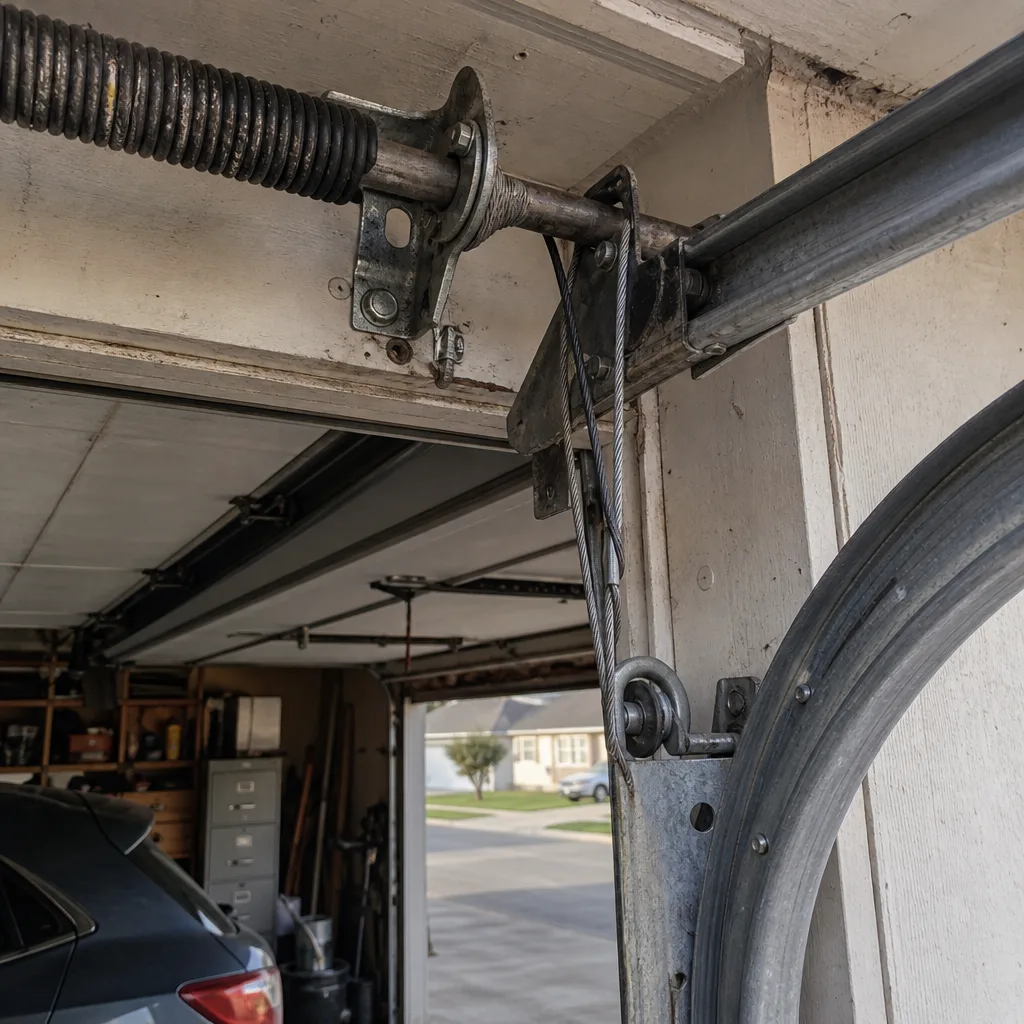 Before
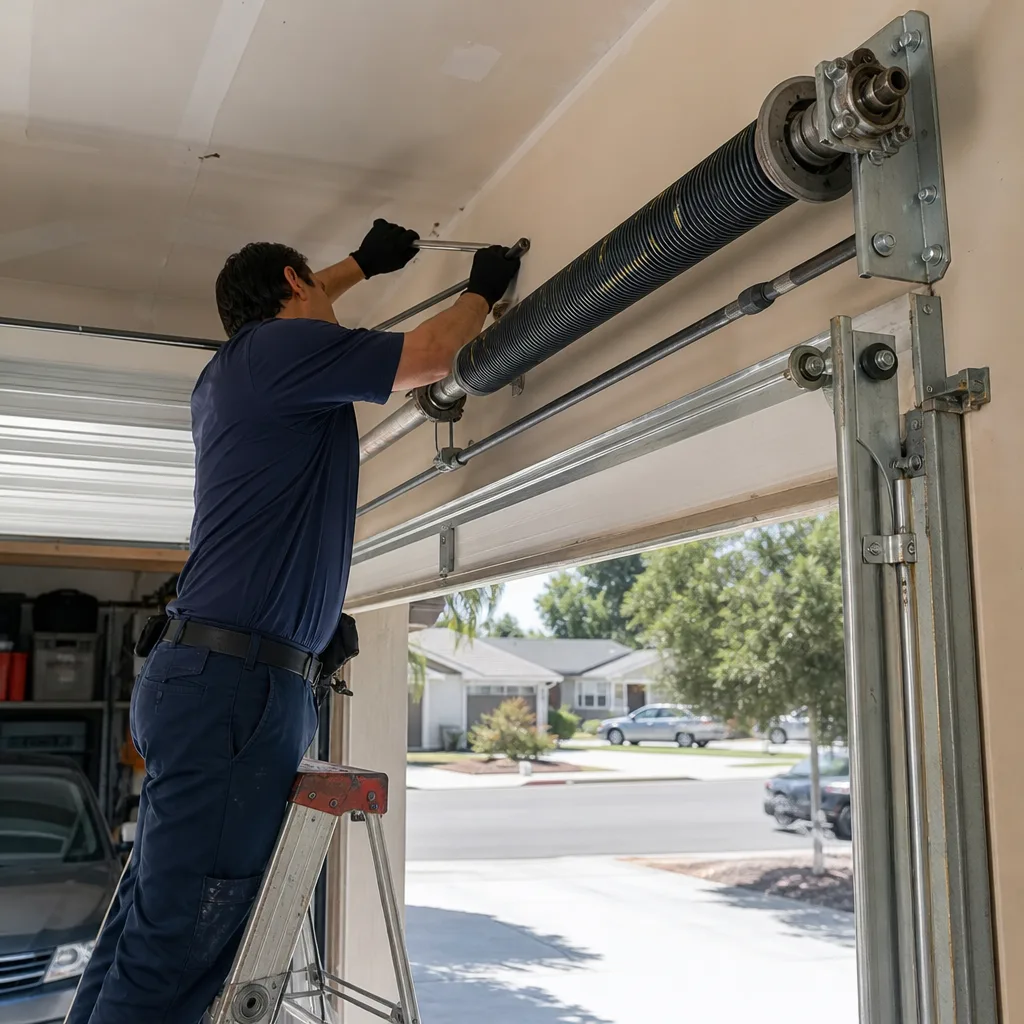 After
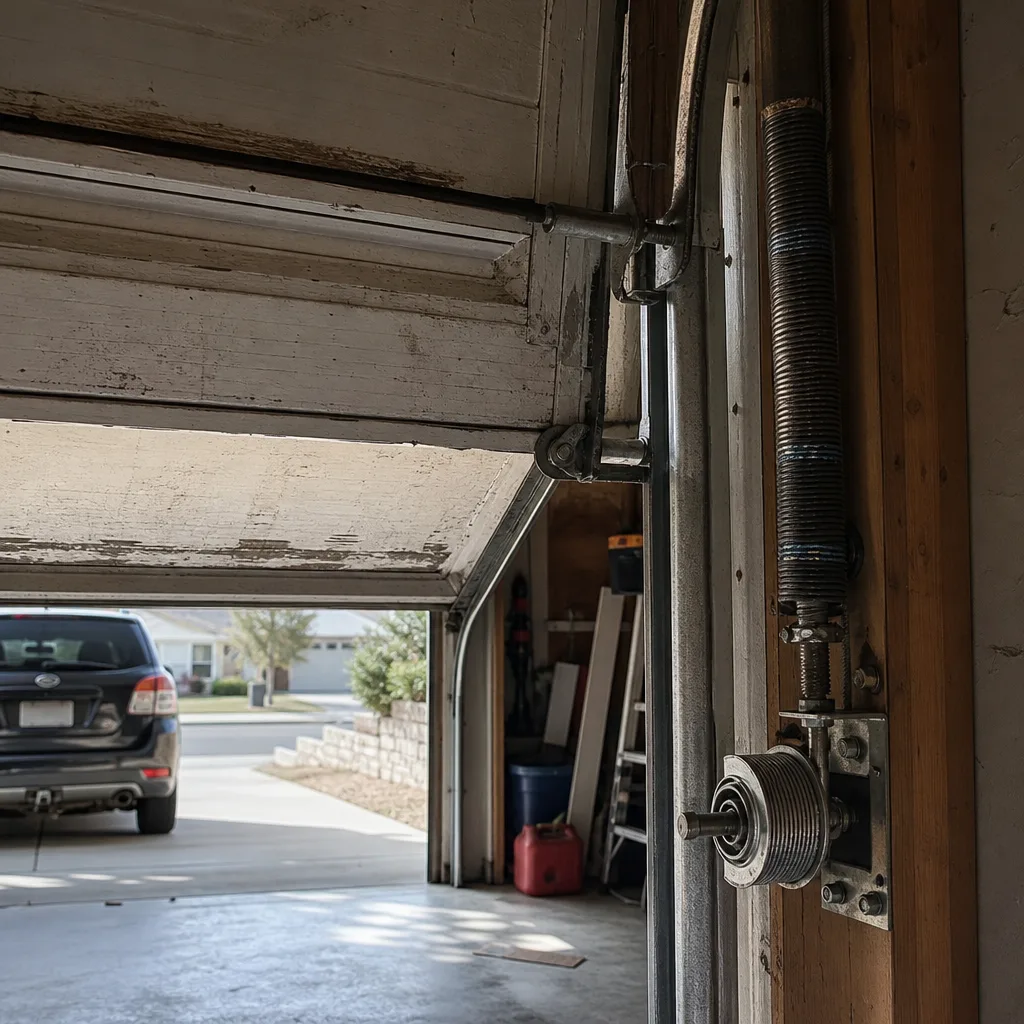 Before
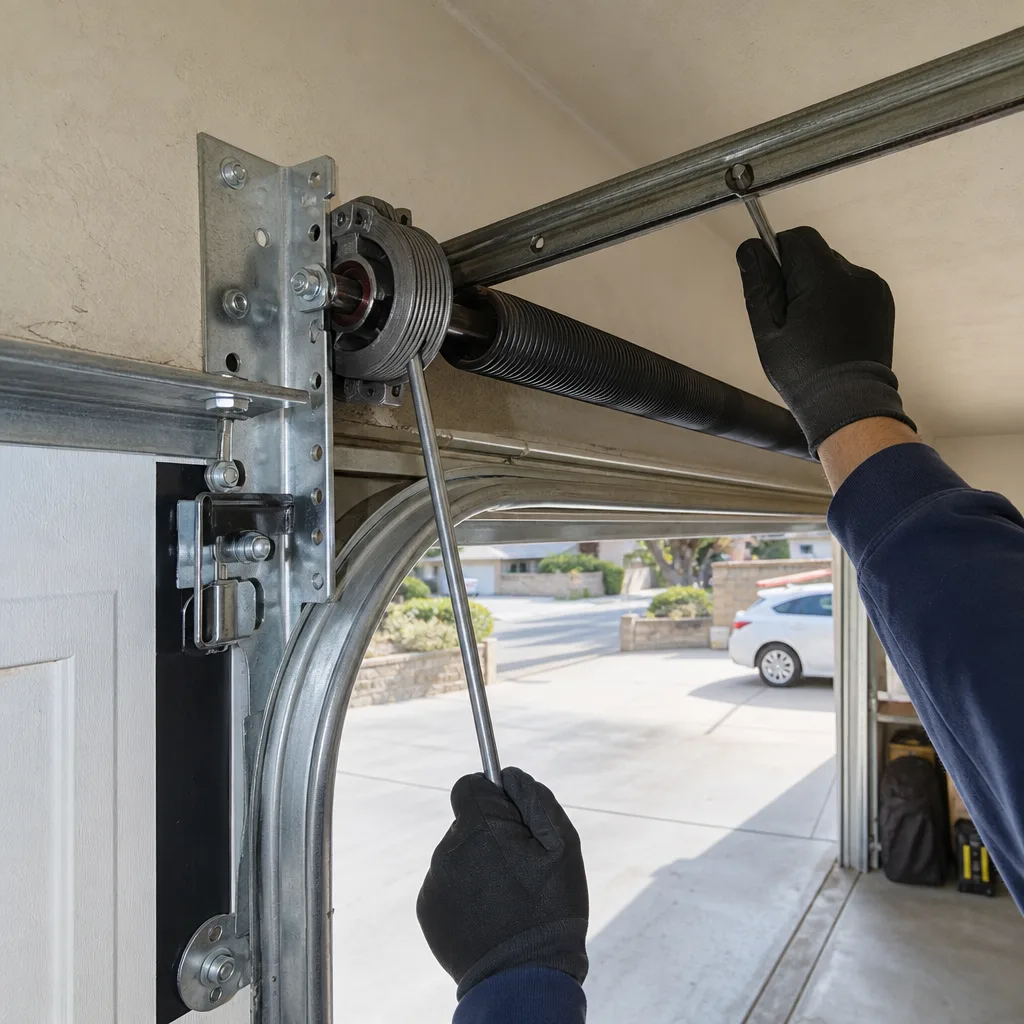 After
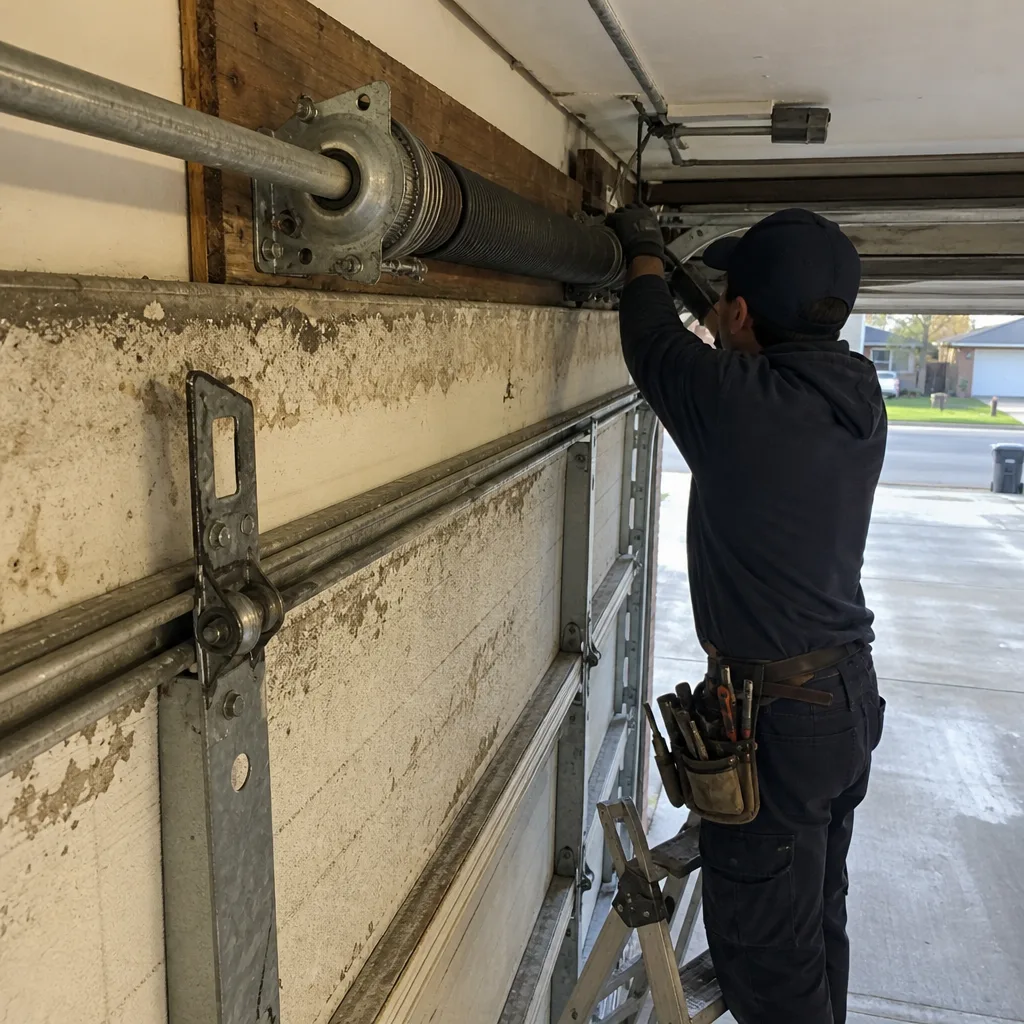 Before
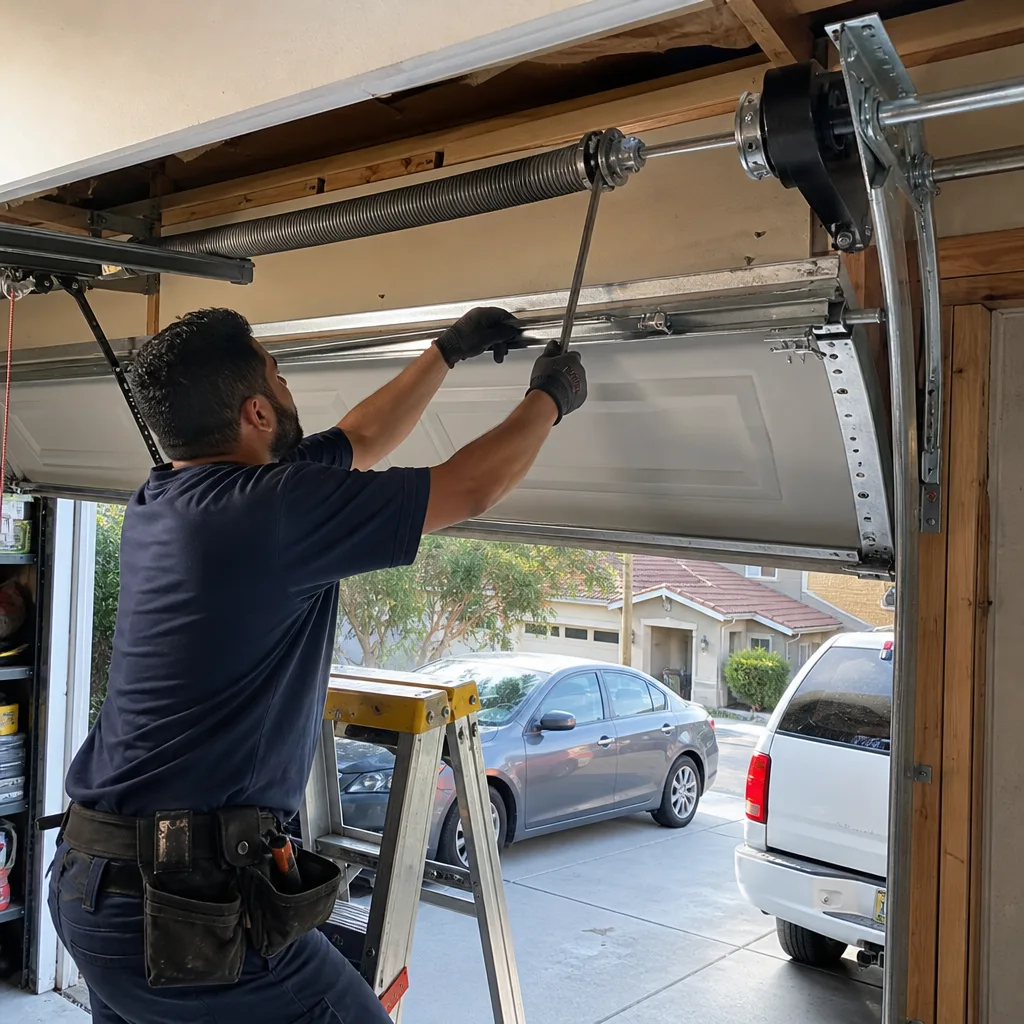 After